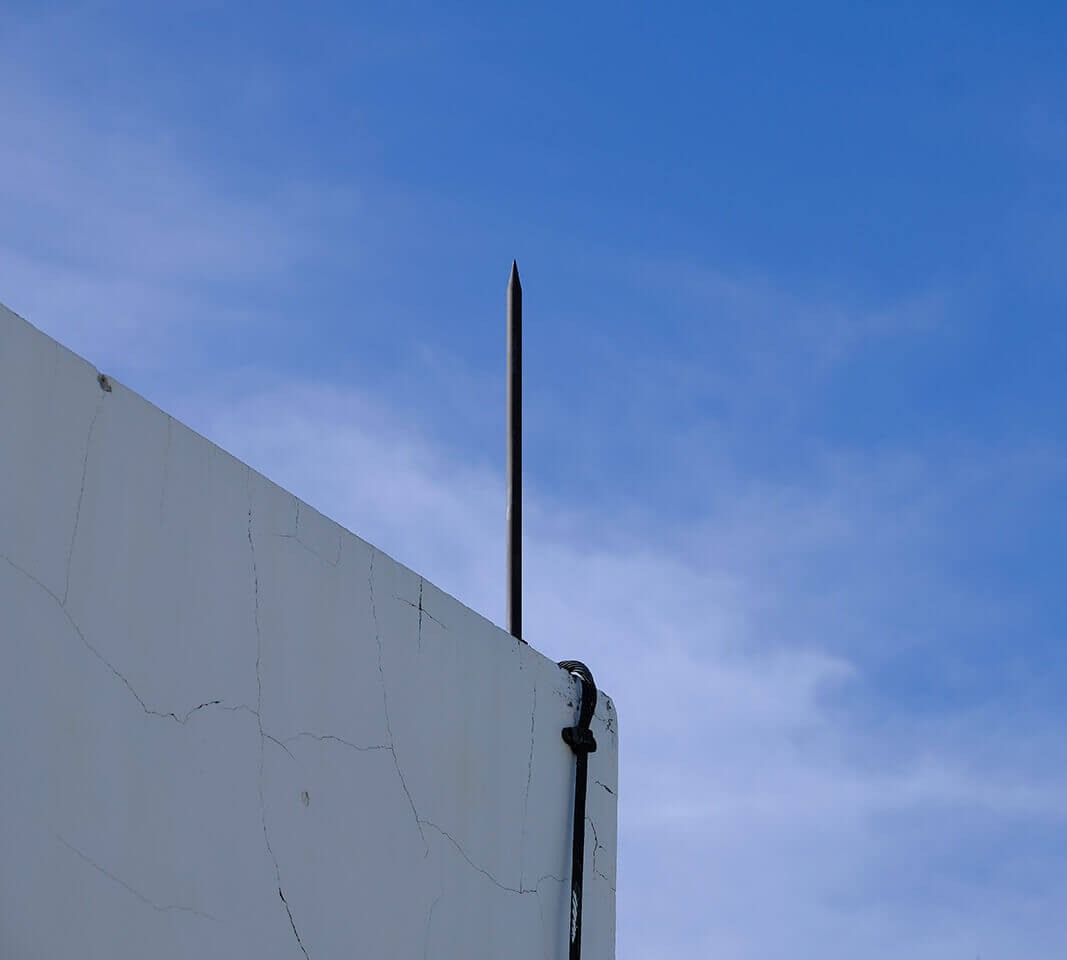
 What's in a lightning system? Most of us don’t think about lightning until it strikes, and often we’re trying to avoid it when it does. For facilities maintenance professionals, however, the stakes are much higher. Lightning can cause devastating damage to equipment, leading to costly outages, equipment failures, and potential danger to personnel. These concerns highlight the critical need for effective lightning protection measures in any facility.
If your facility is equipped with a lightning-arresting system, you might not worry as much as others. You’ve probably had fewer incidents of lightning damage, which means your system is doing its job. What happens, though, if it stops?
Lightning-arresting systems operate by allowing the discharge of static electricity from atmospheric air through the system components. Contrary to popular misconception, lightning systems are not designed to capture lightning strikes. Rather they help prevent them by dissipating static electricity from the air. The ultralow electrical resistance of a properly installed and functioning lightning arresting system allows static build up to freely dissipate to Earth ground, reducing the likelihood of a lightning strike. However, to continue to function as designed, their electrical integrity must be verified at a specified interval.
Lightning System and service for any soil or facility
During the design phase of a new building, Earth ground resistance of the soil surrounding the proposed new structure is tested. Depending upon the soil resistivity, one of several available grounding systems is specified and installed. This grounding system provides a reference for the electrical distribution equipment and provides a path for fault current so that protective devices such as circuit breakers and fuses can adequately function. It is to this same grounding system that a lightning arresting system is connected, should one be specified for the building.
Over time, the integrity of the grounding system can degrade. The International Electrical Testing Association Maintenance Testing Standard specifies that ground systems be tested for electrical resistance at a period not to exceed five years. The Underwriters Laboratory (UL) specifies that lightning arresting systems be tested at a similar interval. In addition to degradation of the overall grounding system, lightning systems are also exposed to the weather conditions, as well as being at risk of damage from other sources; window washing equipment, scaffolding to name a few.
Periodic inspections of your facility’s lightning arresting system ensures that you’re adequately protected from Mother Nature. If inspections discover that your system requires repair, Keynextholds Master Label Certification with UL that allows us to make those repairs in accordance with UL’s specifications. Don’t let a lightning strike damage your equipment. Let Keynext check it out and bring it into compliance.