
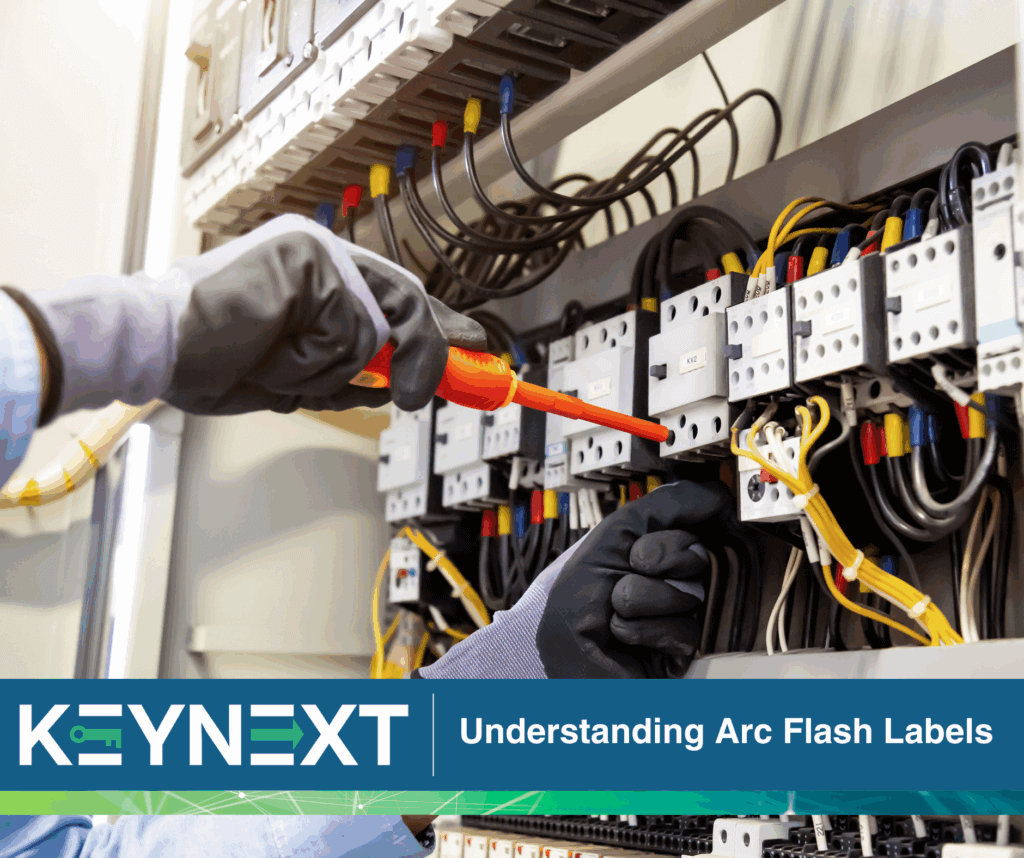
Arc flash label configurations are one of those topics around which there always seems to be a shroud of mystery. Often, there is speculation surrounding the results of the studies, and confusion about the data on labels. At Keynext LLC, we would like to take a moment to address one point that seems to be more commonly misunderstood. This is…
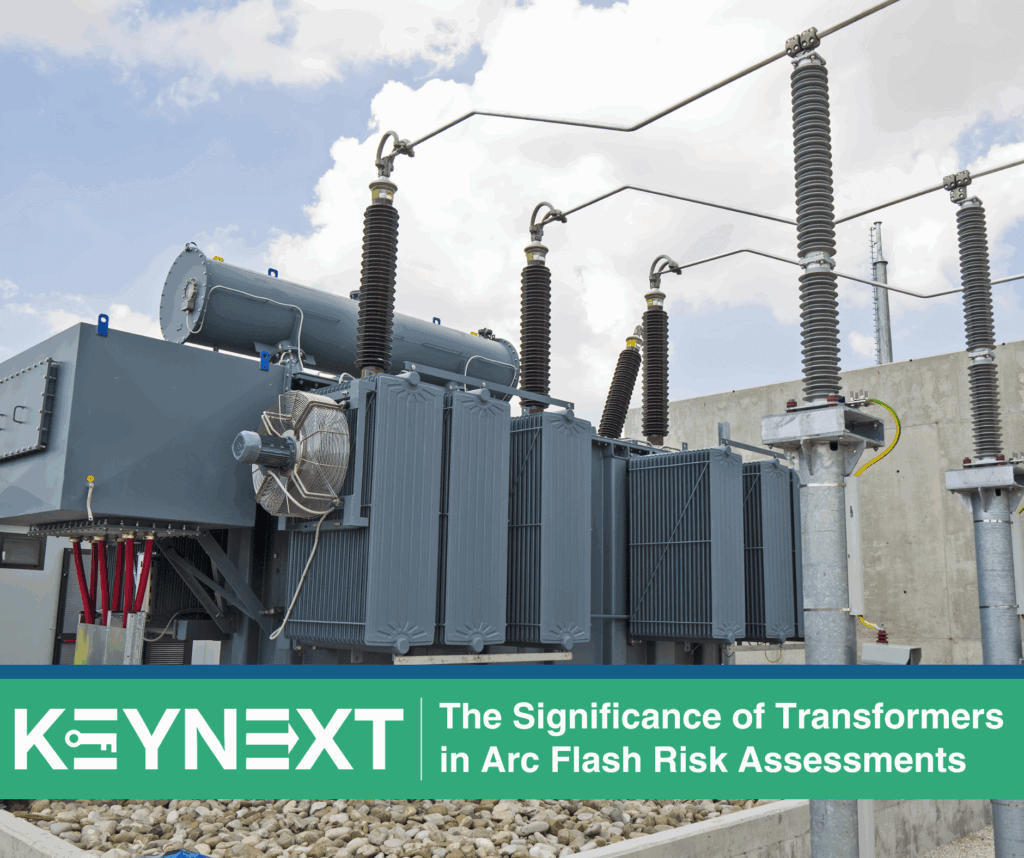
During an arc flash risk assessment, the facility’s entire electrical distribution network is modeled and evaluated. At Keynext, our goal is to determine the amount of heat released by each electrical device in a system in the event of an arcing fault at a specific point in the network, thereby calculating the “incident energy.” Once we know that value, we…
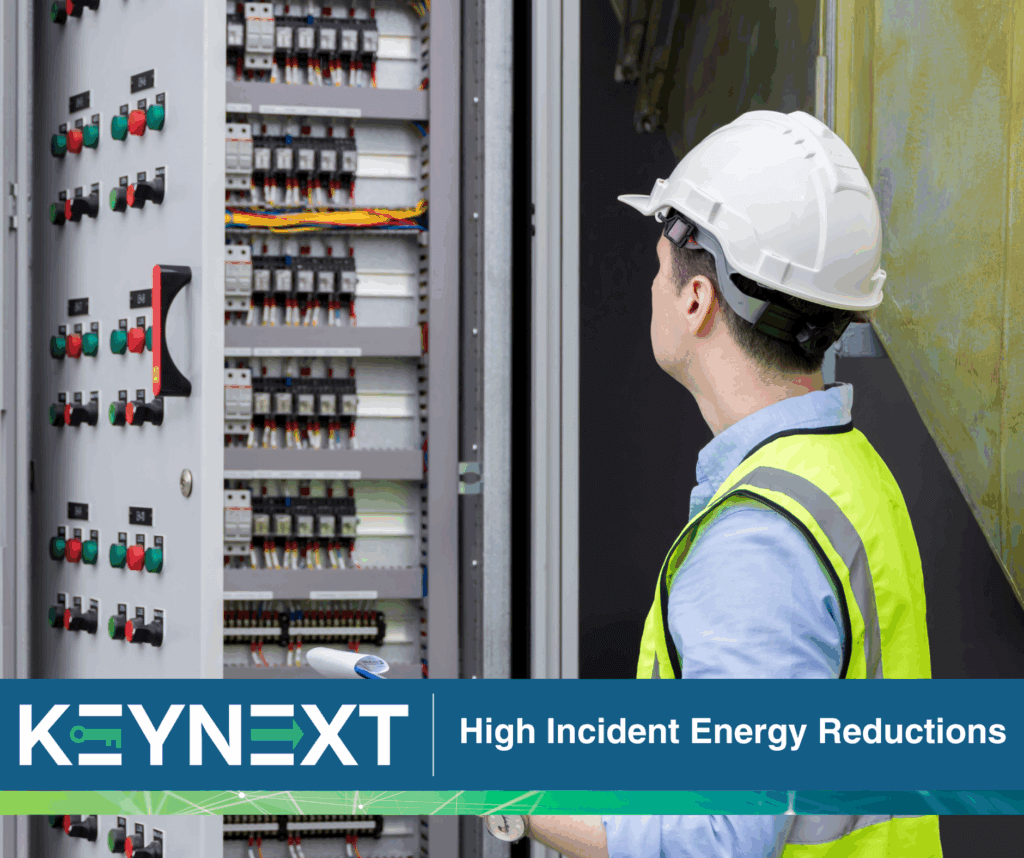
After completing your arc flash risk assessment, you may discover that your required PPE levels are extremely staggering and the incident energies throughout the system are excessively high. So, what can you do? Fortunately, Keynext offers several cost-effective solutions that significantly reduce incident energy levels without straining your budget. Zone-Selective Interlocking The first service option, the ZSI system, commonly known…
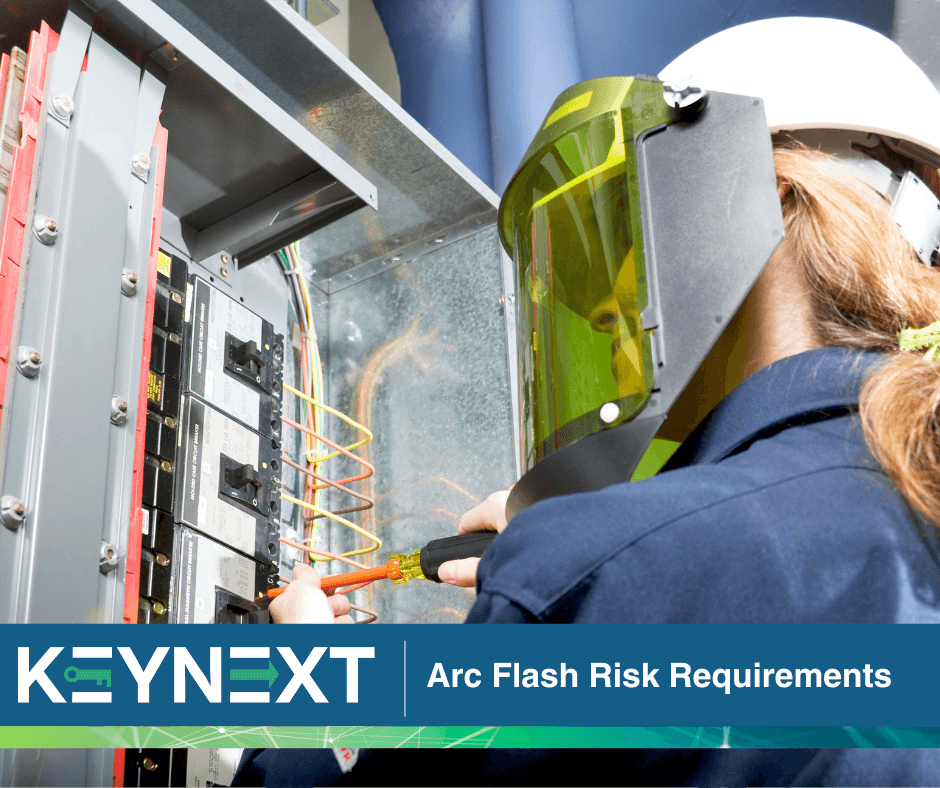
Nearly one-third of our client’s inquiries are regarding arc flash and risk assessments. “What does an arc flash risk assessment entail?” “How’s it done?” “Does my facility need one?” “Is an arc flash risk assessment a one-and-done thing?” At Keynext, LLC., we strive to be a clear and present voice for our clients and are always glad to answer any…
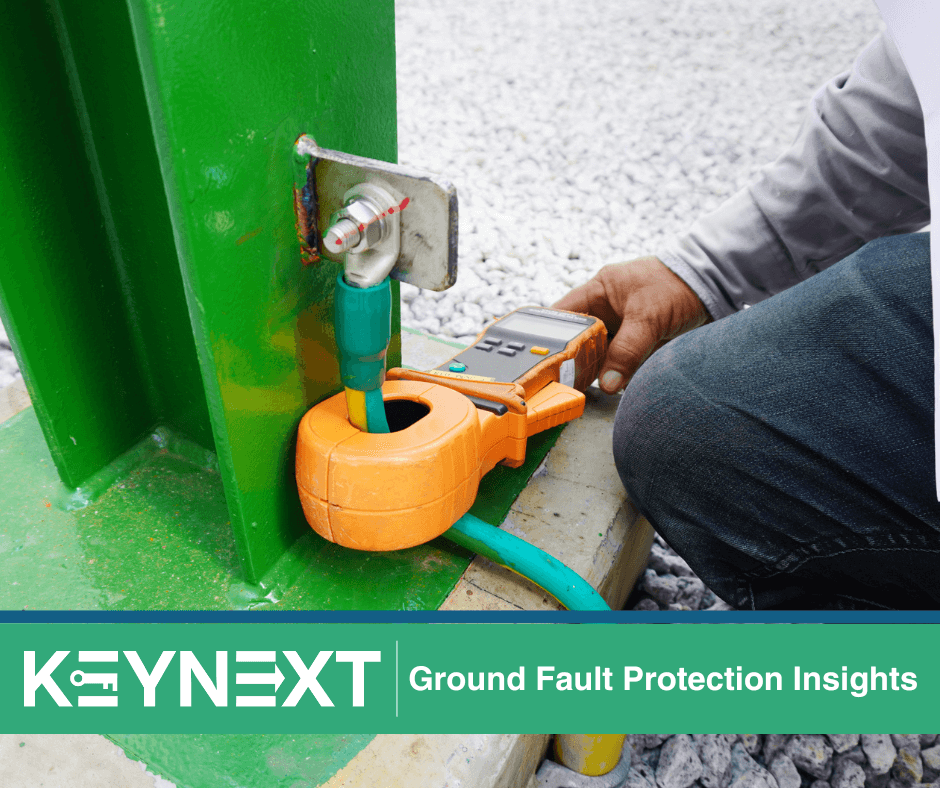
Did you know that ground fault protection has been required on service entrance switchgear since 1971? Despite being required under the National Electric Code (NEC/NFPA-70) in Sections 230.95, 215.10, 240.13, and others, in most electrical distribution systems, many people are uninformed about how the protection process actually works. Recently, a client reached out because they experienced a situation where their…
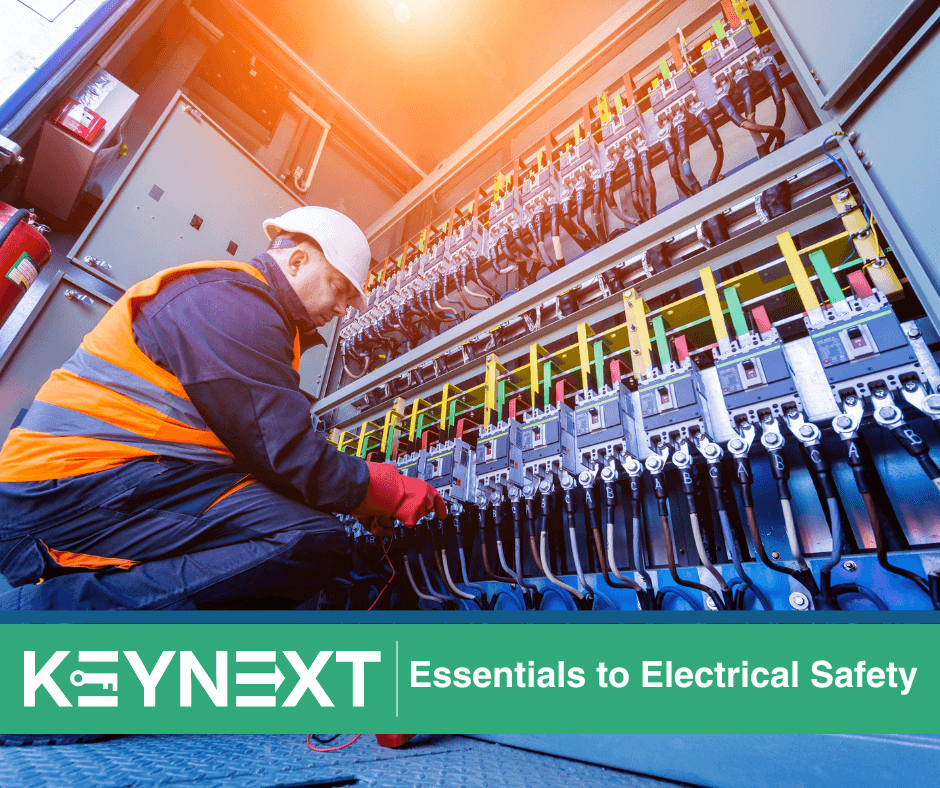
The key points of electrical safety: Adherence to Standards: OSHA mandates employers to assess all workplace hazards. Electrical safety practices are implemented for protection, similar to wearing safety footwear. Injury Prevention: Approach boundaries help prevent electrical shock. Proper LockOut/TagOut (LOTO) procedures enhance safety. Flame-resistant (FR) clothing reduces the risk of arc flash burns. We always aim to leave the work…

One of the most frequent questions we receive from our clients is about the lifespan of Personal Protective Equipment (PPE). Unfortunately, there is no universal answer to this question. The longevity of flame-resistant (FR) clothing can vary significantly between different manufacturers. FR shirts, pants, coveralls, and smocks typically feature care labels that provide essential information. These labels are securely attached…

Imagine this: a protective device, circuit breaker, or ground fault protection system trips and refuses to reset. After contacting an ‘expert,’ the same issue persists. In an attempt to resolve the situation, the expert adjusts a dial fully clockwise, and the device resets, leading to a temporary sense of relief. However, this solution is defective, as it fails to address…